What Is a Sagardotegi?
A working cider house, not a bar. Long tables, a fixed menu, barrels you walk to, and a drink that is dry, still and nothing like commercial cider.
Sagardotegi is Basque for cider house — sagardo is cider, and the word for the drink itself breaks down to something close to “apple wine”.
What it describes is not a bar. It is a working cider producer that opens its doors, feeds you a fixed meal at a long shared table, and lets you serve yourself from the barrels.
The building
Usually out in the countryside behind San Sebastián, in Gipuzkoa — around Astigarraga and Hernani especially. Often a farmhouse or a large agricultural building, occasionally centuries old.
Inside there are two spaces that matter. The dining hall, with long tables and benches, plain and functional. And the barrel hall, where the cider ferments in enormous kupelas, each holding thousands of litres, with a small spigot in the side.
You will move between the two repeatedly across an evening. That is the format.
The drink
Basque natural cider — sagardoa — is dry, still, and sharp. It is not the sweet, fizzy, amber thing most people mean by cider. It is cloudy-ish, noticeably acidic, sometimes a little funky, and lower in alcohol than wine.
It is also poured from a height, and that is not showmanship. Pouring a thin stream from the barrel or from a raised bottle aerates it and briefly lifts it — which is why you take a couple of mouthfuls immediately rather than filling a glass and nursing it. A poured cider that has sat for five minutes has lost the thing the pour gave it.
If you have had Asturian sidra, this is a cousin — same idea, different region, different pouring style.
The ritual
Someone shouts txotx. A spigot is opened. Everyone who wants cider gets up, walks to the barrel, holds their glass low and catches a thin arc from the side. A couple of mouthfuls, then step aside.
Nobody brings you cider. There is no waiter with a bottle. This is the single biggest adjustment for visitors, and getting it wrong looks like sitting patiently at a table waiting for service that is never coming.
Full detail in how to catch the pour.
The meal
Fixed, and you do not order: cod omelette, grilled txuleta, and cheese with quince and walnuts, with bread and cider throughout. Some houses add chorizo cooked in cider or salt cod with peppers.
It is a lot of food, it arrives in a fixed order, and it is designed around the cider rather than the other way round. See the menu.
Why it exists in this form
The season and the format come from the trade, not from tourism.
Cider is pressed from the autumn apple harvest and is ready to taste early in the new year. Buyers came to sample the barrels before committing to buy — and you sample a barrel by taking a small amount straight from it, not by being poured a glass. The meal grew up around those visits, and the menu is what a cider house could reliably cook for a room full of people.
Every part of the ritual that seems odd makes sense once you know it started as a tasting rather than a night out.
What it is not
Not a bar. You cannot drop in for one drink.
Not a restaurant. You do not choose your food.
Not in San Sebastián. They are out in the countryside, which is why transport matters — see where the cider houses are.
Not a tourist invention. In season the room is full of locals, and the booking pressure is largely local too.
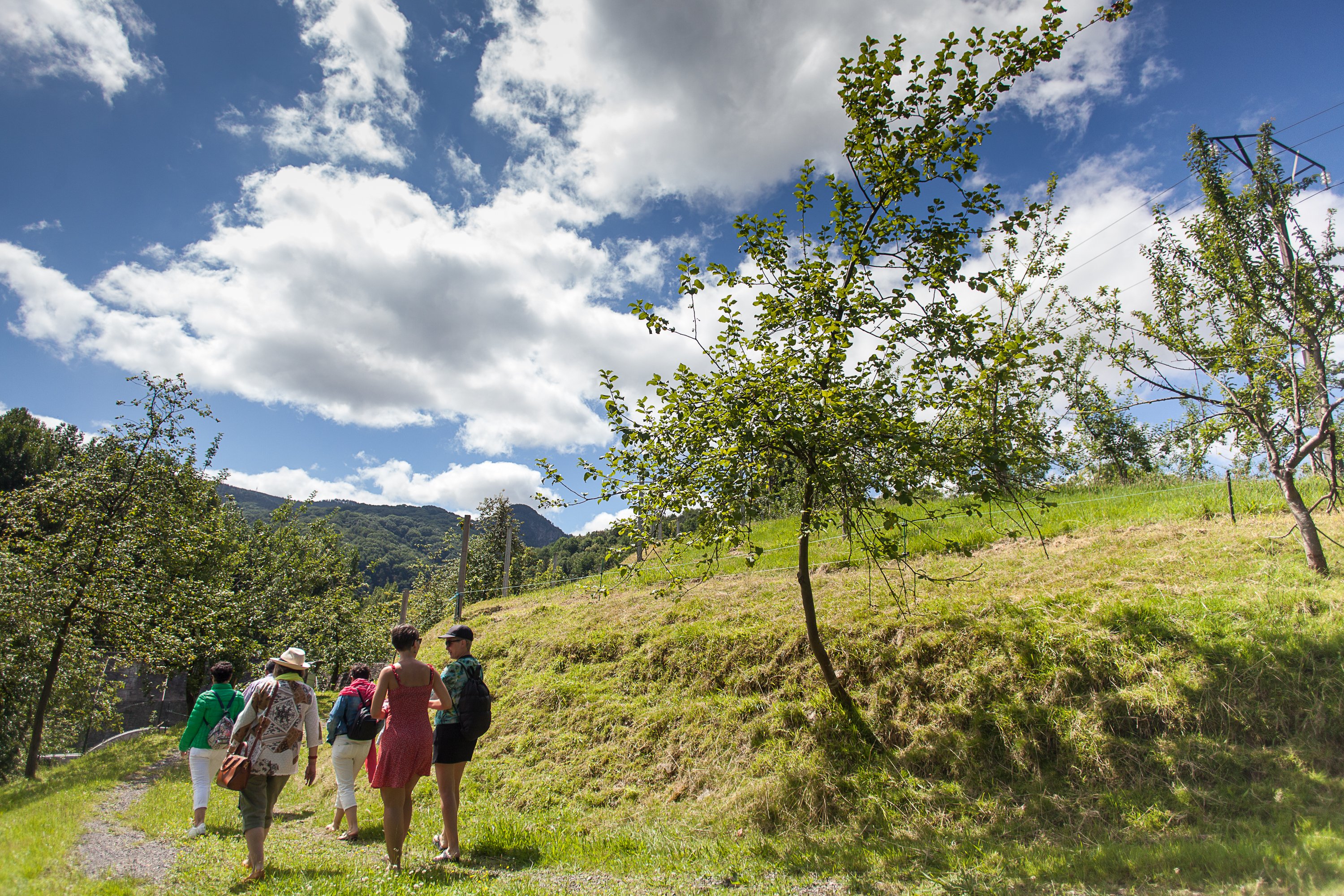
Book the Traditional Cider House Tour
$96 including transport from San Sebastian, the guided sagardotegi tour with the txotx ritual, and the full traditional lunch — cod omelette, grilled txuleta, and cheese with quince and walnuts. Rated 4.9 by 166 guests, run by the Gipuzkoa cider houses' own association.
Check Availability & Book