When Is Txotx Season?
Late January to early May, opening 9 January in 2026. What changes outside the season, and why tours still run in September.
Roughly late January to early May. The 2026 season opens on 9 January with the traditional first-pressing event.
That window is the single most useful fact on this site, because it decides which of two quite different evenings you are booking.
What happens in season
The barrels are opened daily. The halls fill — with locals as much as with visitors, which is the part that makes it. Someone calls txotx, a spigot is pulled, and the room gets up and queues with glasses to catch the stream.
You eat the fixed menu at long shared tables, get up repeatedly through the meal as barrels are opened, and sit down again. It is loud, communal and slightly chaotic, and it is a genuine seasonal ritual rather than a performance arranged for you.
If you are in the Basque Country between January and April, this is the food thing to do.
What happens outside it
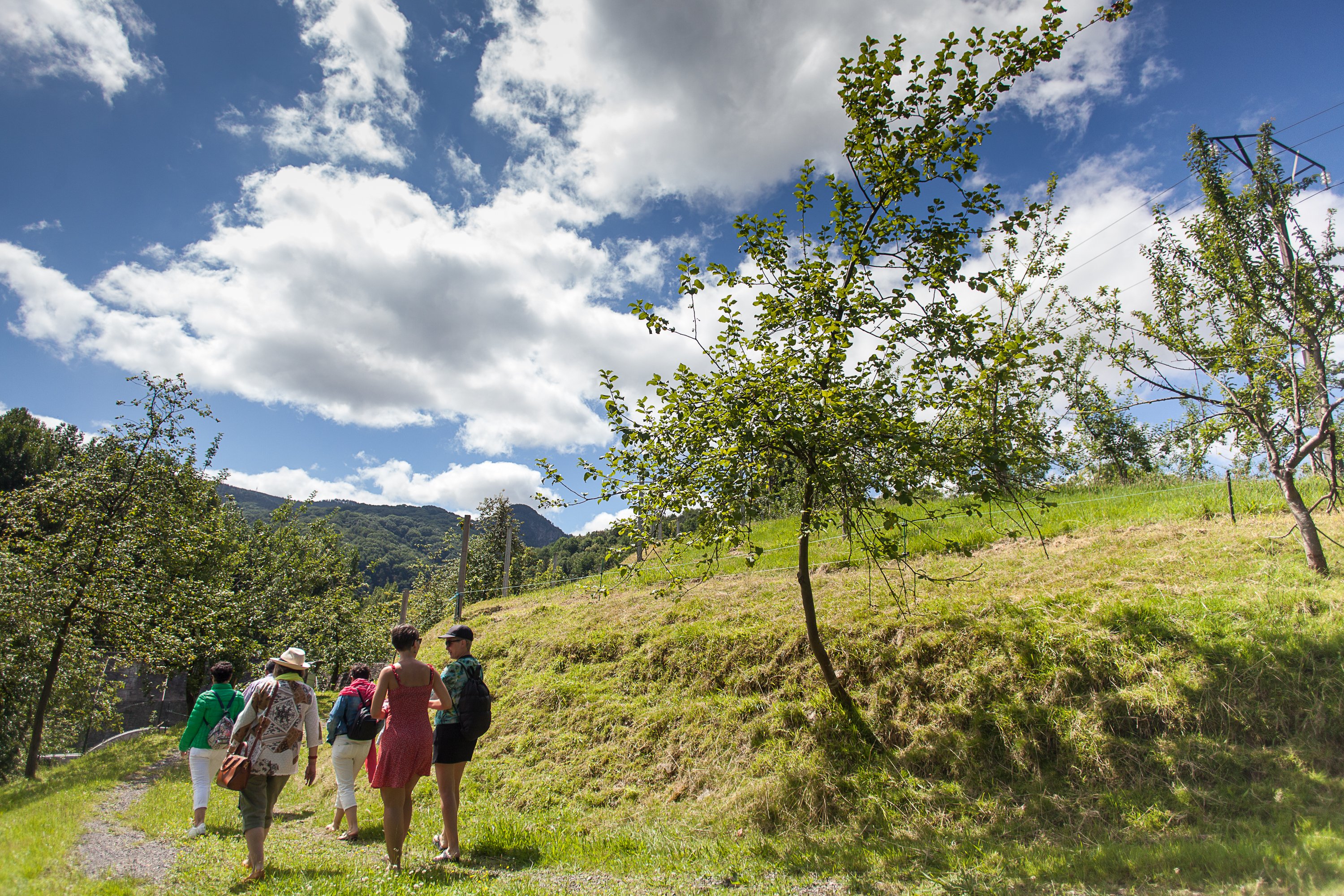
A growing number of cider houses now stay open year-round and serve the same traditional menu. That is why you will find guided visits running in September and why availability does not simply stop in May.
Out of season you can expect:
- The same menu — cod omelette, txuleta, cheese with quince and walnuts.
- A quieter room, and easier booking.
- The txotx pour demonstrated for your group rather than happening around you because forty people from Hernani have arrived.
- Cider that is further from the barrel’s opening, though still served properly.
That is a good evening. It is simply a calmer, more explained version of a thing whose charm in season is that it is neither.
So which should you book?
In season (roughly late January to early May): go, and go on a weekend evening if you want the full room.
Outside season: still go, but adjust expectations — you are booking a traditional meal in a working cider house rather than a night out with half a town.
If your trip is flexible and cider is a real interest: plan for February or March. That is the heart of it, past the opening rush and before the season winds down.
Why the season exists at all
It is not a marketing device. Basque natural cider is fermented from the autumn apple harvest, and the txotx season historically began when the new year’s cider was ready to taste and buyers came to sample the barrels before committing to buy.
The meal grew up around that tasting. The reason you stand and take a couple of mouthfuls rather than being poured a glass is that you are, in origin, sampling barrels — not being served a drink.
Knowing that makes the whole format make sense.
Practical timing notes
Book ahead in season. The January–April period is busy with local bookings, and cider houses run set sittings rather than rolling service.
Weekday evenings in season are calmer than weekends but still lively.
The opening event in early January is a fixture with its own atmosphere. If your dates land near it, it is worth looking into — though it is also the busiest possible moment.
Out of season, availability is easier, and the featured guided visit runs with transport from San Sebastián included either way.
Book the Traditional Cider House Tour
$96 including transport from San Sebastian, the guided sagardotegi tour with the txotx ritual, and the full traditional lunch — cod omelette, grilled txuleta, and cheese with quince and walnuts. Rated 4.9 by 166 guests, run by the Gipuzkoa cider houses' own association.
Check Availability & Book