How to Catch the Pour
Hold the glass low, tilt it, catch the stream on the side, take two mouthfuls, step away. The whole ritual in the order it happens.
Nobody explains this before your first cider house, and it takes about ten seconds to learn and one attempt to get right.
The word
Txotx — roughly cho-tch. It is the call that a barrel has been opened, and it is also used for the ritual and for the season.
When you hear it, that is your cue to move.
The move, step by step
1. Get up and take your glass. Not the bottle, not the table. Your glass, and only yours.
2. Go to the barrel. There will be a queue and it moves fast.
3. Hold the glass low and tilted. Below the spigot, angled so the stream hits the inside wall of the glass rather than the bottom. That is what keeps it lively.
4. Catch a thin stream, not a full glass. Two or three mouthfuls’ worth. This is the part visitors get wrong: filling the glass is both bad form and bad cider, because it will go flat before you drink it.
5. Step aside immediately. Drink it there or on the way back. Do not stand at the barrel drinking.
6. Repeat, all evening. Barrels are opened repeatedly across the meal. That is the format, not an interruption to it.
Why the height
The pour is not theatre.
Basque natural cider is still — no added carbonation. Dropping it through the air and breaking it against the side of the glass aerates it and briefly lifts the aromatics and the texture. It is genuinely different for about a minute, and then it is not.
Which is exactly why you take a small amount and drink it now. A glass poured and left is a worse drink than the same cider poured fresh.
What not to do
Do not wait to be served. No one is bringing cider to your table. People sit patiently for a surprisingly long time before working this out.
Do not fill your glass. Two or three mouthfuls.
Do not save the pour. Drink it while it is alive.
Do not linger at the barrel. There is a queue behind you and the format is communal.
Do not worry about spilling. Everybody spills. The floors are built for it, and in season they are wet all evening. Wearing something you would be upset to splash is the only real mistake.
If you are on a guided visit
You will be shown, which removes most of the risk. On the featured visit the txotx ritual is explicitly part of the tour, and the guides work in Spanish, English, French and Basque.
Out of season the pour may be demonstrated for your group rather than happening spontaneously — see txotx season — which is a good way to learn it without an audience of locals.
Pacing
Basque cider is lower in alcohol than wine and served in small amounts, which makes it easy to underestimate across a long meal with repeated barrel openings.
Eat properly, especially before the txuleta arrives, and treat “a couple of mouthfuls, many times” as exactly what it sounds like. The format is designed for tasting, and a room full of people who have paced themselves badly is a familiar sight in April.
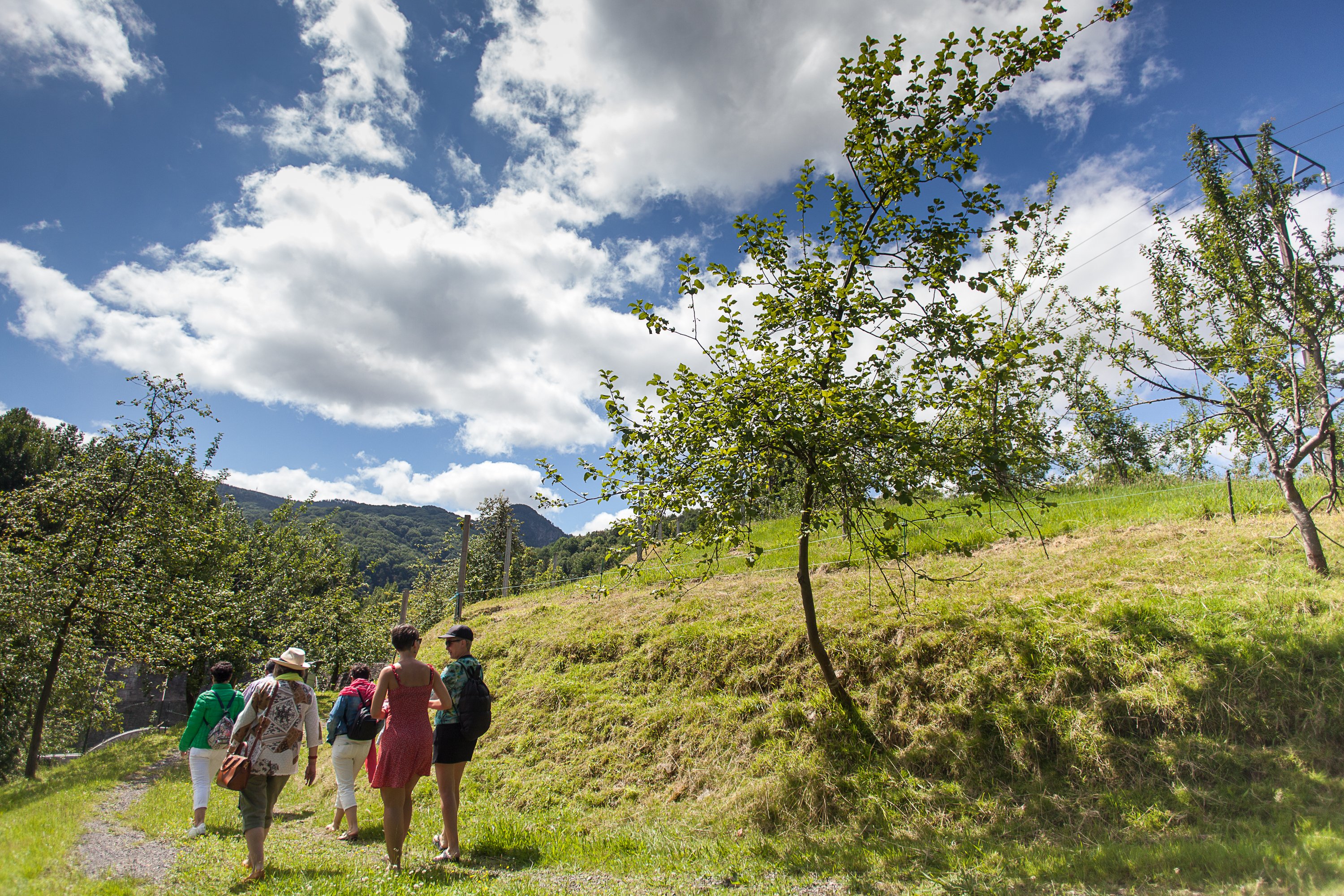
Book the Traditional Cider House Tour
$96 including transport from San Sebastian, the guided sagardotegi tour with the txotx ritual, and the full traditional lunch — cod omelette, grilled txuleta, and cheese with quince and walnuts. Rated 4.9 by 166 guests, run by the Gipuzkoa cider houses' own association.
Check Availability & Book